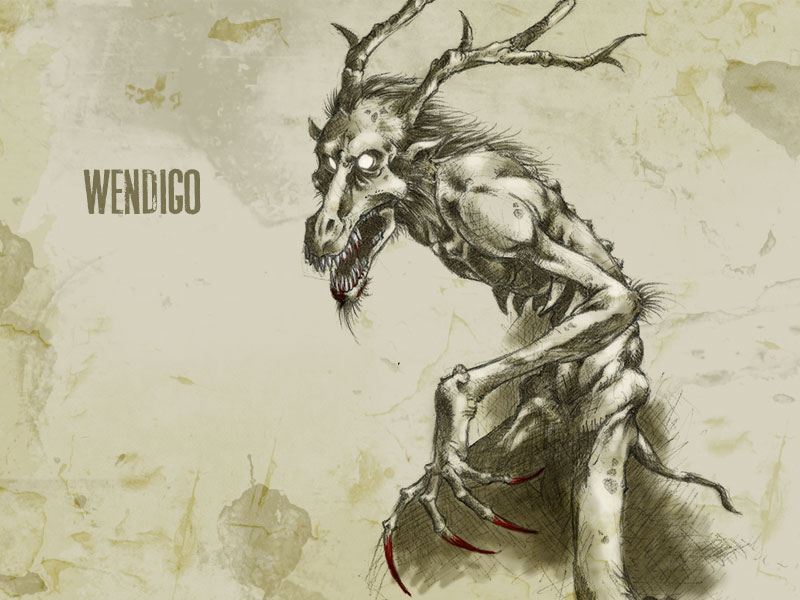
In my novel Three Day Road, a major component and symbol in the story is the “Windigo”. In this post i will explain more about this monster, in particular it’s history.
History of the Wendigo
The wendigo originates from Native American spiritual beliefs, specifically Algonquin-speaking First Nations such as the Algonquin, Ojibwe and Mi’kmaq tribes. Between all these tribes, the spelling and pronunciation of the word varies. The most common names for the monster are Windigo, Wendigo, wheetigo, windikouk, wi’ntsigo, wi’tigo, wittikka, atchen, chenoo, and kewok. The word actually translates to “the evil spirit that devours mankind”, or simply just “cannibal”.
other First Nations tribes have their own variations of the legend, with different names for the monster. The Iroquois
There was also a study done on a medical term called “Windigo Psychosis” which was a “disease” that made a person crave human flesh. It was apparently caused by certain stressful situations. It also comes from being isolated for long periods of time, particularly in the cold. A person with this form of psychosis can act violently or anti-socially, and often times in the past people with this condition were executed when they began acting this way.
Description of the Monster
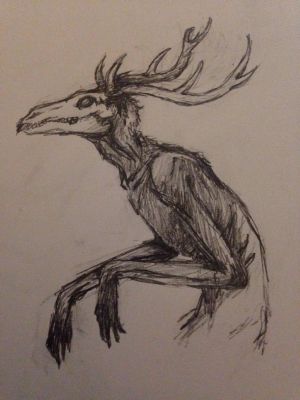
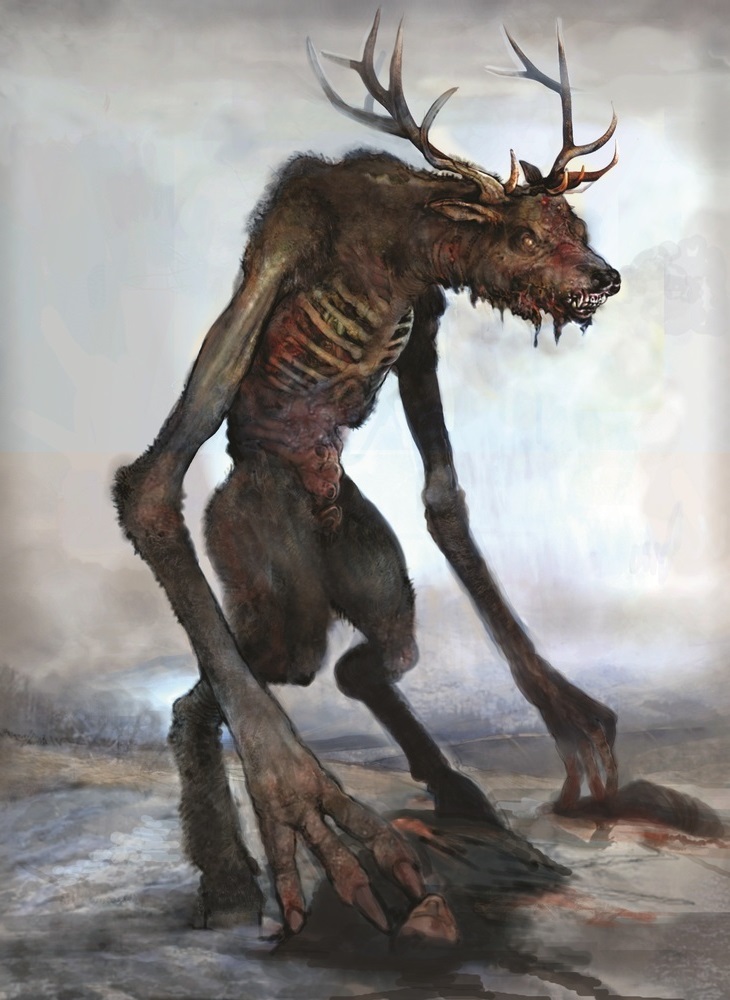
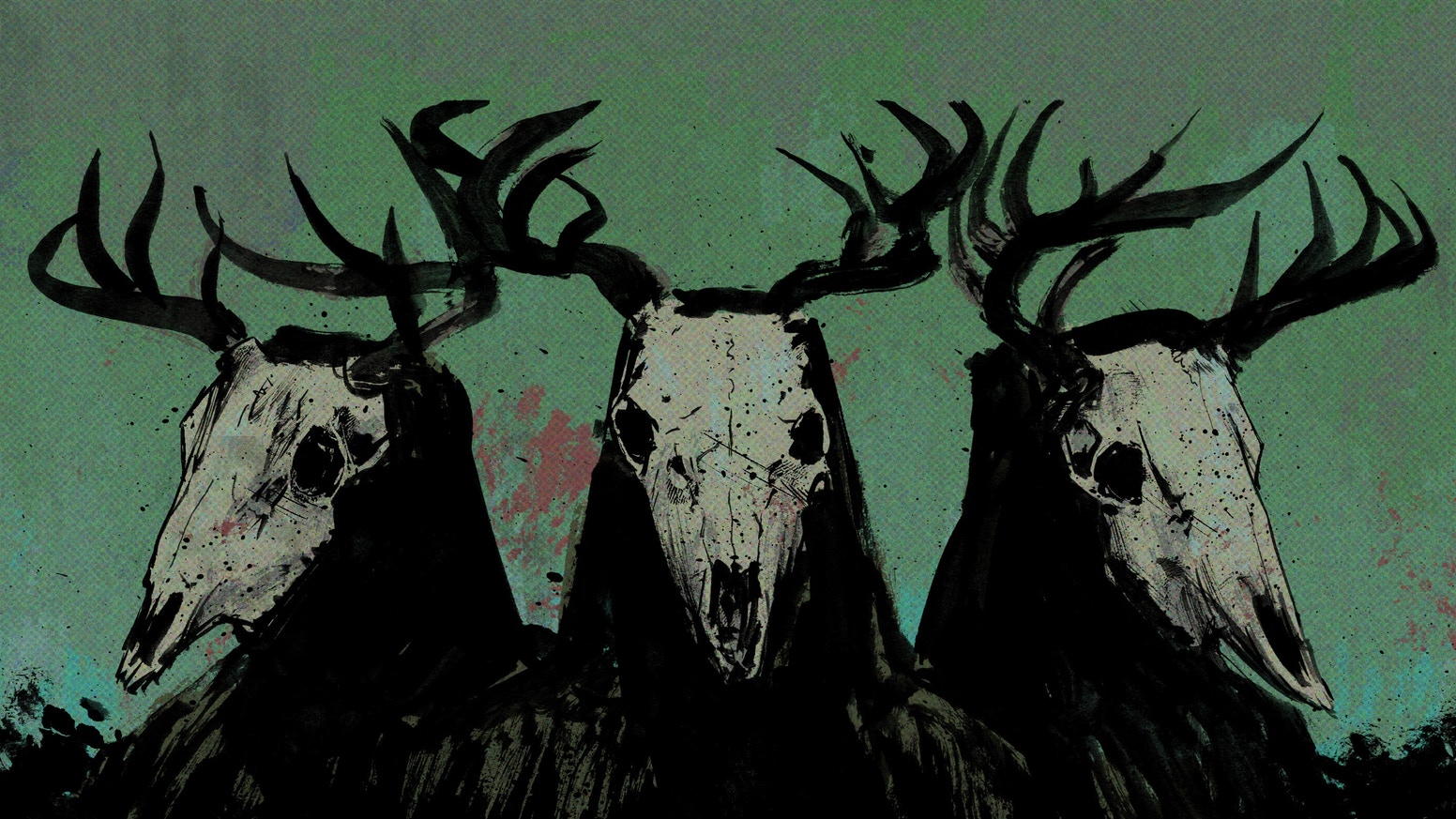
The wendigo is often described as a very tall, very thin humanoid creature. They also have long tongues, yellow fangs, glowing eyes and slightly yellow decaying skin. They can also sometimes be matted with hair. The creature is said to be so thin that its bones show prominently through its skin.
The description of the Wendigo varies depending on the tribe and variation of the legend, but it almost always has features similar to a human.
The legend of the Wendigo
The legend of the wendigo can be different depending on where it comes from, but there are two main versions that are well known.
The first version is that a person can become a Wendigo by eating the flesh of another human. Even if it was the only choice for survival, it is believed that cannibalism causes a person to become evil and possessed, and ultimately become a Wendigo. The first Wendigo in this legend was said to be a hunter that got lost in the cold, and resorted to cannibalism to survive. This turned him in to a Wendigo and left him forever searching for more human flesh.
The second version of the legend says that a Native American man had to save his tribe by selling his soul to the devil, leaving him as a Wendigo. But he was banished from his tribe after the tribe finally had peace.
Other stories describe the Wendigo as an evil spirit that can possess humans, making them crave human flesh.
No matter what the variation of the legend is, the monster in the story is said to crave human flesh intensely. That hunger can also never be satisfied, the Wendigo searches for more humans for as long as it lives.
Interpretations of the Wendigo
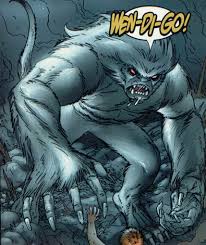
The Wendigo monster has appeared in many different films, comics, and Tv shows. Marvel Comics featured the Wendigo as a monster in the X-Men comics. The popular Tv show Supernatural made an episode with the Wendigo as the monster that the main characters had to fight. Along with these, there have been many movies featuring a Wendigo. Common ones are The Manitou and Ravenous. The Wendigo also appears in the horror game Until Dawn.
Works Cited
blackjacknerd-739-553710. “Movies and TV Episodes That Has a Wendigo.” IMDb, IMDb.com, 30 Nov. 2015, http://www.imdb.com/list/ls031580531/.
Dhwty. “The Wendigo: A Terrifying Beast With an Insatiable Hunger for Human Flesh.” Ancient Origins, Ancient Origins, 31 Jan. 2016, http://www.ancient-origins.net/unexplained-phenomena/be-wary-wendigo-terrifying-beast-native-american-legend-insatiable-hunger.
Kirkman , Robert, et al. “Wendigo .” Wendigo (Marvel Team-Up), http://www.marvunapp.com/Appendix3/wendigomtu.htm.
Pitt, Steve. “Windigo.” The Canadian Encyclopedia, 9 Sept. 2012, http://www.thecanadianencyclopedia.ca/en/article/windigo.
Weiser, Kathy. “Wendigo – Flesheater of the Forests.” Legends of America, http://www.legendsofamerica.com/mn-wendigo/.
 Grade 12 University English